
If you’re considering an online speech assessment for your child, it’s completely normal to wonder what it actually involves — and whether it can really work through a screen.
The short answer is yes, it can. Online speech assessments are designed to be engaging, child-friendly, and thorough, while still feeling relaxed and supportive for both children and parents. Here’s a simple breakdown of what you can expect.
Before the Assessment: Getting the Background
Before your child’s assessment, you’ll be asked to complete an online case history form. This gives me important background information about your child’s development, health, and communication, as well as any concerns you may have.
Most of the questions are quick checkboxes, and completing this beforehand means we can use the assessment session itself more efficiently — focusing on what matters most for your child, rather than spending time gathering basic information.
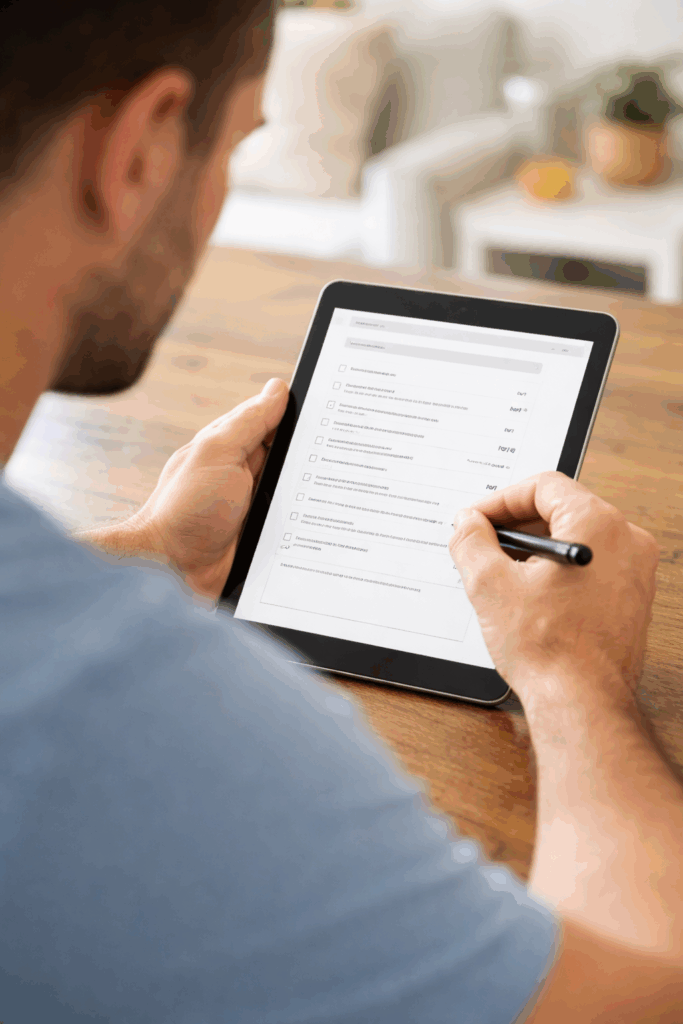
Parents are also asked to complete a very brief questionnaire about how well their child’s speech is understood by others in everyday situations. This helps provide valuable real-world context alongside the formal assessment tasks.
During the Assessment: What Your Child Will Do
Online speech assessments typically run for around 45–60 minutes, but children are not expected to sit and concentrate for the entire time.
The session usually includes a mix of:
- Speech tasks, such as naming pictures shown on the screen
- Short activities or games to keep things fun and engaging
- Conversation or play-based interaction, depending on your child’s age and needs
- Time for discussion with parents, just like in a face-to-face assessment
One core part of the assessment is an articulation assessment, where your child is shown pictures online and asked to name them. This allows me to listen carefully to how your child produces different speech sounds.
If appropriate, I may also collect a speech sample, for example by asking your child to talk about a favourite toy, activity, or recent experience. This helps me understand how their speech sounds in more natural conversation.
Checking Oral Structures and Movement

As part of every speech sound assessment, I complete an oral motor examination. This looks at how your child’s mouth, lips, tongue, and jaw move and work together for speech.
Online, this involves asking your child to do simple, playful movements like smiling, puckering their lips, or sticking out their tongue. The goal is to check that there are no underlying structural or movement-based factors affecting speech.
After the Assessment: What Happens Next?
After the assessment, I spend time analysing the assessment results and putting everything together. You’ll receive a clear summary outlining:
- What’s going on with your child’s speech
- Whether their speech development is within expected ranges
- Practical recommendations for next steps
Depending on the results and parent preferences, recommendations might include:
- Monitoring for now, with no therapy needed
- A short, tailored home program
- Regular speech therapy sessions (weekly or fortnightly)
We’ll always talk through the options so you can decide what feels right for your child and your family. You can read more about how online therapy words here.
What If My Child’s Speech Is More Complex?
Sometimes, speech sound difficulties turn out to be more complex than they first appear. If that’s the case, additional assessment time may be recommended so we can get a clearer picture. Any recommendations for further assessment are always discussed with you before proceeding.
How Much Does It Cost?
You can find out more about fees and any rebates your child may be eligible for here.
A Final Reassurance
Online speech assessments are designed to feel supportive, flexible, and child-friendly. They allow children to be assessed in a familiar environment, often helping them feel more relaxed and comfortable.
If you’re unsure whether an online assessment is the right fit for your child, you’re always welcome to get in touch and ask questions. I’m happy to talk things through.
