
A common question I’m asked by parents is: “How much practice do we need to do at home?”
It’s a great question — and the fact you’re asking it already puts your child on the right track.
The short answer is: home practice really does matter, but it doesn’t need to be long, stressful, or perfectly done to be effective.
Why Home Practice Is So Important
Speech therapy sessions are incredibly valuable, but they only make up a small part of your child’s week. Most children see their speech pathologist once a week (sometimes fortnightly), which means the real opportunity for consolidation comes from what happens between sessions.
Research shows that children need lots of repetition to change speech sound patterns — often many more repetitions than can fit into a single therapy session. Not only that, but research suggests that the real magic happens when the practice occurs in small amounts regularly, rather than just a long practice all in one go.

Therapy sessions with your speech pathologist help set you and your child up for success with the home practice. This may include teaching your child to produce a sound and getting them confident with that, teaching them to sequence the target sound with other sounds, and suggesting ideas and providing resources to make sure the home practice is fun for your child, and easy and painless for you.
Regular home practice helps:
- Reinforce what your child is learning in therapy
- Build confidence using new sounds outside the “therapy setting”
- Support faster, more consistent progress
In other words, home practice helps turn “I can say it in therapy” into “I can say it everywhere”.
How Much Practice Are We Talking About?
This depends on the therapy approach, your child’s goals, and where they’re up to in learning a sound — so consider this general guidance only.
Many research-based speech sound approaches aim for frequent, short bursts of practice, rather than long sessions. For many children, this might look like:
- Around 5 minutes, most days of the week
- A focus on lots of repetitions
- Practising at the right level (sounds alone, words, short phrases, etc.)

During your child’s therapy session, I will let you know:
- What to practise
- How much to practise
- What to listen for
And this may change over time as your child progresses.
Quality Matters As Well As Quantity
It’s not just about doing practice — it’s about doing the right kind of practice.

Effective home practice usually means:
- Working on the specific sound or goal your child is targeting
- Being face-to-face, so your child can see and hear a clear model
- Giving gentle feedback (not correcting every word your child says!)
- Providing specific praise
- Keeping it achievable and positive
Consistency and encouragement go a long way.
Make It Fun (Really!)
Let’s be honest — speech sound practice can be repetitive. The key to keeping kids engaged is to build practice into play.
Some easy ways to do this:
- Take turns in a favourite board or card game, practising a sound before each turn
- Use toys, books, or Lego your child already loves
- Do short “mini practices” rather than one long session
- Build practice into routines (before a story, after afternoon tea, before bed)
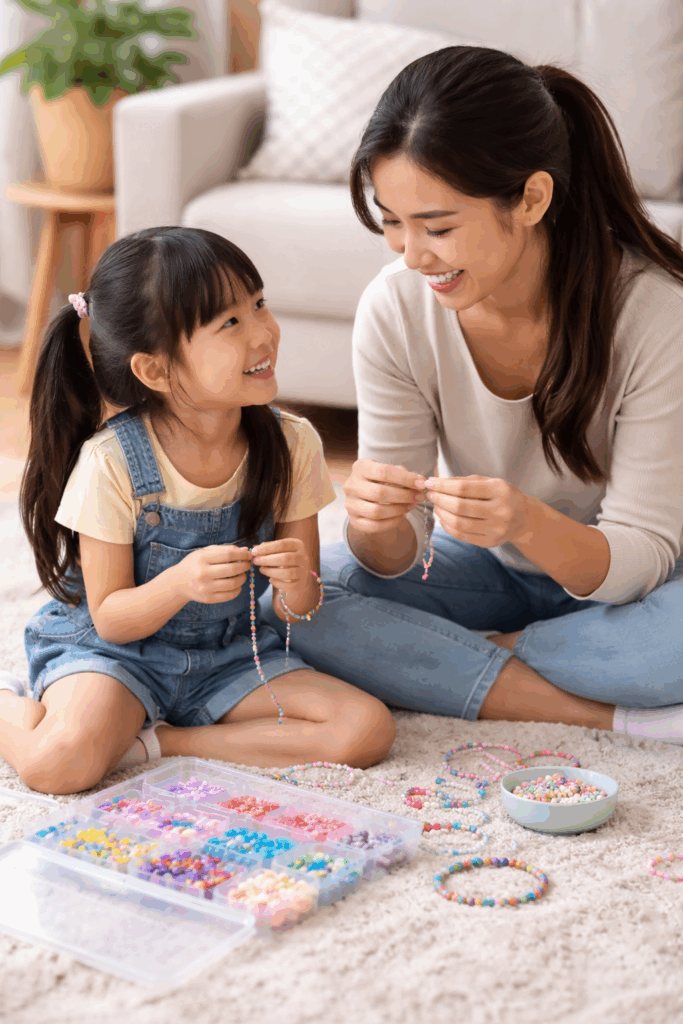
Children are much more likely to practise when it feels like connection and play, not homework.
What If We Miss a Day (or a Few)?
That’s okay.
Life happens. Kids get tired. Families get busy. Missing a day of practice won’t undo progress. The goal is regular practice over time, not perfection.
If practice feels hard, frustrating, or isn’t working, that’s important information — and something to talk about with your speech pathologist.
Every Child Is Different
It’s important to remember that there’s no one-size-fits-all approach to home practice. How much, how often, and how practice looks will depend on:
- Your child’s speech profile
- The therapy approach being used
- Your child’s age and attention
- Family routines and capacity
When I work with families, I provide individualised advice and resources tailored to your child’s specific goals — and we adjust things as needed along the way.
The Takeaway
Home practice plays a big role in helping children make progress with speech sound therapy — but it doesn’t need to be overwhelming.
Short, regular, well-targeted practice, done in a supportive and playful way, can make a real difference. And you’re not expected to figure it all out on your own — your speech pathologist is there to guide you every step of the way.
